
TB TREATMENT –
in 2020
200 treated
48% female, 52% male
39% children
42 % of adults had pulmonary TB, the highly infectious variety.
25% of all admissions had spinal TB. Our usual average is 18%.
COMPLETION OF TREATMENT – 92%
Patients who have both TB and HIV rank high on our list of concerns. Every year some co-infected patients will take TB medicine but decline HIV treatment. This can be so deadly.
We are slowly finding ways to encourage more people to take medications to address both problems.
OUTPATIENT DEPARTMENT
Our outpatient (OPD) clinic focuses on patients who might take longer to diagnose and treat: unexplained fevers, TB, sometimes HIV. We see people with noncommunicable diseases such as heart failure, ascites, diabetes, seizures and nephrotic syndrome. And old friends return after treatment for greetings and follow-up. Dr. James Wal works there all year, providing continuity when ex-pats are gone.
1500 patients a month (Plus KA, TB, Brucella treatments add 200 outpatients daily).
20% were < 5 years
35% were 5-15 years
45% were adults
58% female
Outpatient visits are on the rise. This August, for the first time in a year, malaria has returned big time. Our evening fever clinic is packed with malarial patients.
INPATIENT DEPARTMENT
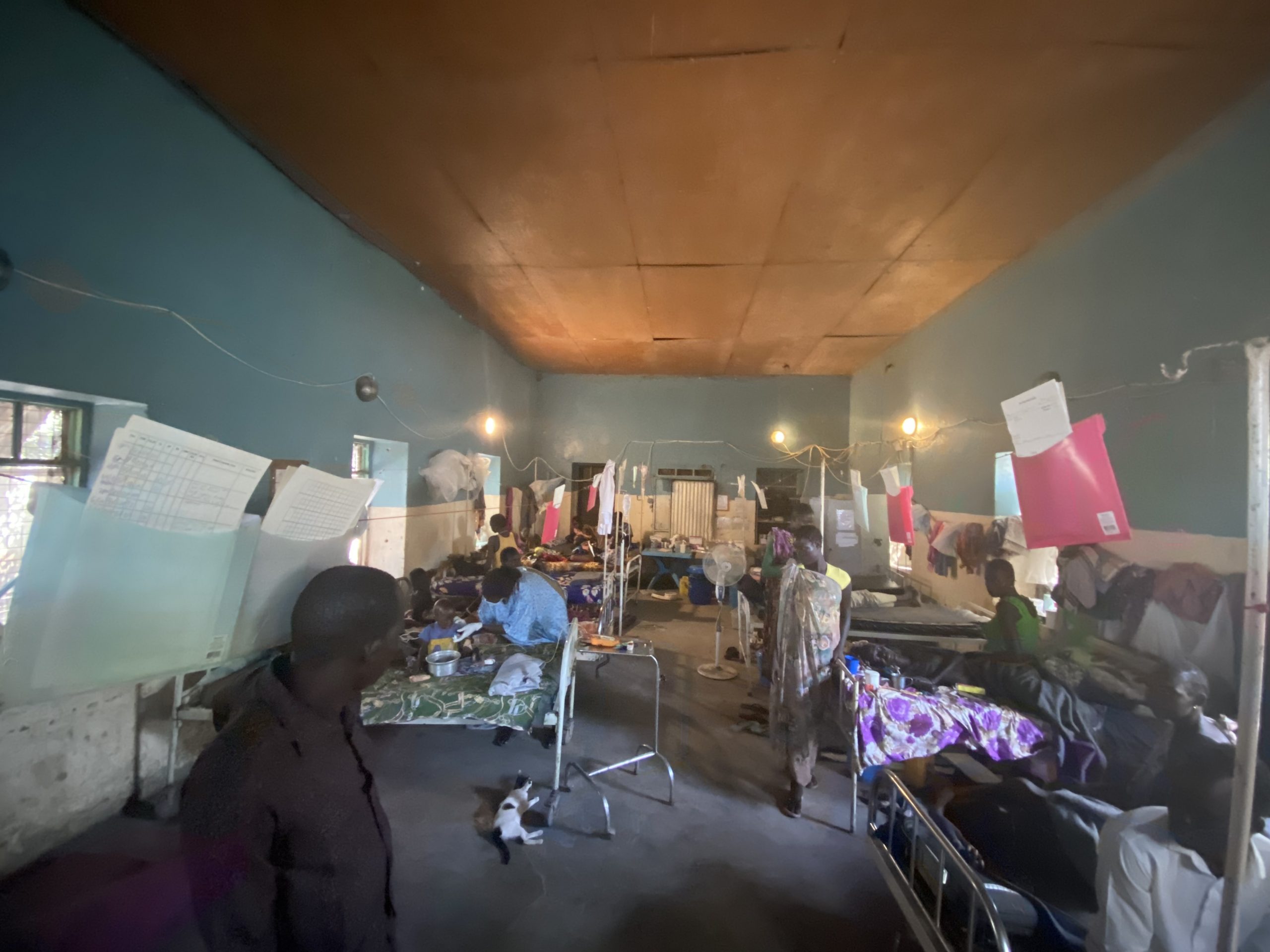
Our ward is typically full, meaning about 15 to 18 inpatients. We admit some for acute care, some for workup and close observation, and some so sick their families are unable to care for them. Our staff knows these patients, and their diseases. A newly trained nurse will return from Uganda this month.
Our outpatient feeding program covers our inpatient ward as well. This little one is finally developing cheeks on our ward eating the magic plumpy nut nutrition!
SHARED TREATMENT
Dr. James Wal and the expats share call with MSF for acute care, OB and emergencies.
Jill first met Nyarauch in March in the ER. Nyarauch was on her knees, leaning on a stretcher for support while struggling to breathe about 60 times a minute. She was skin and bones. She carried a pediatric cardiology note which advised comfort care. Another bedside ultrasound – Oh my gosh, her lungs were collapsed by the fluid around them! Proper vital signs, drugs, and a needle between the ribs to drain fluid from her chest helped. Her breathing improved. And fluid around the lungs? That’s probably TB? Maybe? She stabilized on our congestive heart failure medicines, our TB medicines, and her own indomitable spirit. Her last episode of flash pulmonary edema happened on the day her mom delivered, when she missed her meds. Mom was beside herself – a baby born, but sure her older child would die. Three days later, Nyarauch watched her new baby sister, so mom could go cook.
We last caught sight of her in July, laughing and running around, still taking those TB meds.
It is hard to believe how blessed we are to be a part of this community, working together for hope and health with the gifts from our friends.